

Facial treatments
Chemical Peels
A skin renewal treatment for texture, tone, and clarity.
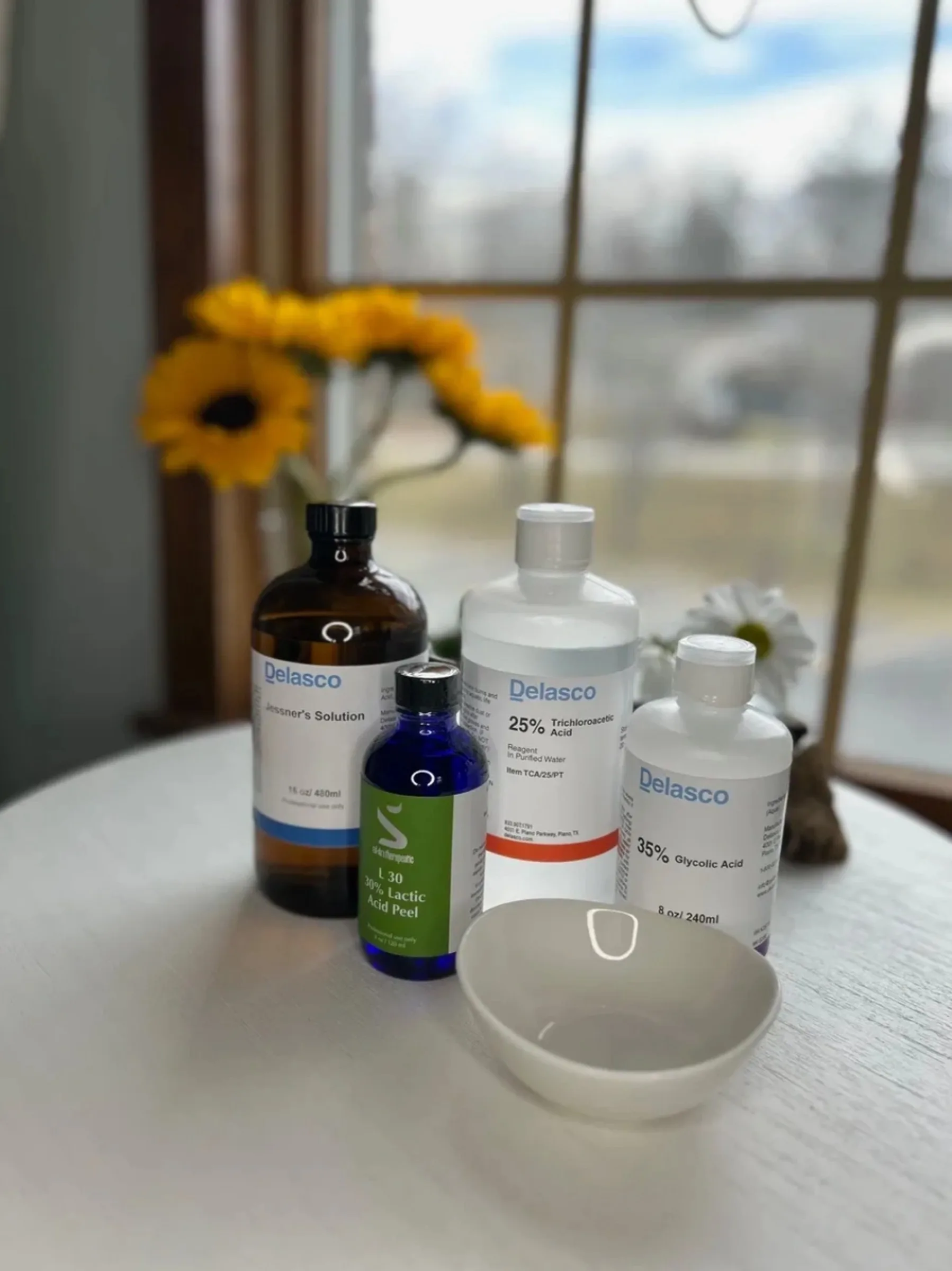
Choose your treatment
Single Treatment
Single Treatment: 175
Series of 4
Series of 4 Treatments: 550
Explore our packages
Juniper Mini Face Brightening
Series of 3: 1800
(Includes Neuromodulator and Dermal Filler)
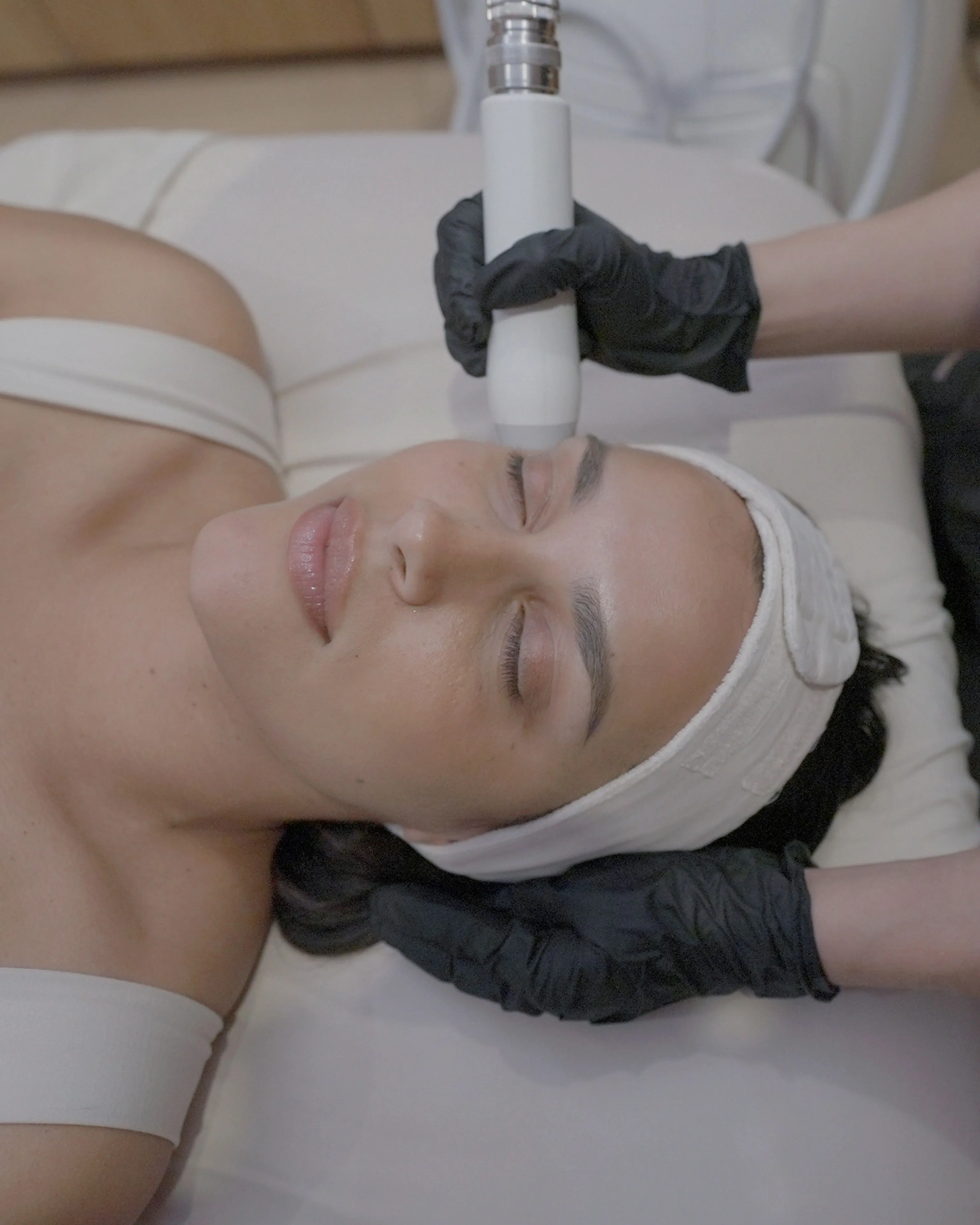
Tree Top Face Resurfacing Renewal
Series of 3
6 weeks: 2000
12 weeks: 3700
(Includes Tshape 2, GLP1, Life-coaching, Signature gifts)
Who are they for
Chemical peels are best for people who want smoother, clearer, more even-toned skin with minimal downtime. They are commonly used to treat acne and acne scars, sun damage, fine lines, melasma, and other dark spots or rough, dull texture on the face, neck, and hands.
What to expect
A chemical peel visit is simple and fairly quick. You arrive, are greeted, and brought to a private room where your face is thoroughly cleansed to remove makeup, oil, and sunscreen. The peel solution is then applied and allowed to sit for a set number of minutes; depending on the type of peel, it may be neutralized in-office or left on to continue working after you leave.
During application, it is normal to feel burning, tingling, or warmth for a limited time, which then eases. Right after, the skin may look red and feel tight or slightly irritated, similar to a sunburn. Over the following days, the skin will start to feel dry and then lightly flake or peel—often beginning around days 2–4 and continuing up to about 7–14 days, depending on peel strength and your individual skin.
Typical Results and Timeline
Most people see the “glow” from a chemical peel once the flaking has finished and the new skin is revealed, with deeper improvements continuing over several weeks.
- In the first 7–14 days, peeling and flaking taper off and fresh, smoother skin comes through; redness or mild color changes can linger but gradually fade.
- By about 2–4 weeks, skin typically looks brighter, more even-toned, and softer, with fine lines, sun damage, and pigment starting to soften; maximum changes in tone and texture often develop over 4–8 weeks as collagen remodeling continues underneath.
About chemical peels
About
Chemical peels are skin treatments that use a carefully measured chemical solution (often acids like glycolic, lactic, salicylic, or trichloroacetic acid) to dissolve the outer, damaged layers of skin in a controlled way. This gentle “shedding” process helps smooth texture, fade discoloration, improve fine lines, unclog pores, and stimulate new collagen so fresher, more even, and more radiant skin can come to the surface over time.
Use with RF Microneedling
Chemical peels and RF microneedling are often paired because they target different skin layers and concerns in a synergistic way. RF microneedling works deeper, using tiny needles and radiofrequency heat to stimulate collagen and elastin in the dermis, which helps tighten, firm, and smooth scars and wrinkles. A chemical peel then refines the more superficial layers, dissolving dull or damaged surface cells to even tone, brighten pigmentation, and smooth texture, so the fresh collagen created below is revealed through clearer, more radiant skin above. When sequenced appropriately and spaced out for healing, the combination can give more comprehensive rejuvenation than either treatment alone, addressing both deeper structure and surface clarity.
Key considerations
Chemical peels can be powerful, but they require some thoughtful timing and skin prep. Retinoids (like retinol, tretinoin, adapalene) and other strong actives should usually be stopped for about 3–7 days before a peel and held for several days afterward, because they thin and sensitize the skin and can increase the risk of irritation or even a superficial “burn.”
Because peels make skin more sun‑sensitive, it is important to avoid recent tanning, sunburn, or a beach vacation right before or after treatment, and to commit to strict sun protection to reduce the risk of hyperpigmentation or uneven healing. Certain skin conditions—such as active infections, open lesions, eczema, psoriasis, rosacea flares, or very inflamed acne—are often temporary contraindications, and people who are pregnant, breastfeeding, recently on isotretinoin, prone to keloids, or with very reactive/sensitive skin need extra caution or alternative options.
Book Now
Under the Promotions link on the portal: financing available